Why Bitcoin Fell Short as Lyn Alden Points to Weak Demand and Routine OG Selling
Bitcoin’s latest market cycle may have ended below some expectations as overall demand did not grow strongly enough to absorb selling pressure from long-term holders, according to macro analyst Lyn Alden.
In recent remarks discussing the dynamics of the cycle, Alden explained that the price ceiling was shaped primarily by the level of new demand entering the market and by the typical pattern of early adopters selling into rising prices.
She noted that these forces are not unusual and have appeared in previous market cycles, but the scale of incoming demand this time appears to have been weaker than in some earlier periods.
Demand Levels Shaped the Cycle
Alden identified total demand across multiple investor groups as a major factor influencing Bitcoin’s price movement during the cycle. That demand includes retail investors purchasing the asset directly, investors gaining exposure through exchange-traded funds, and institutions buying shares in companies or funds that hold Bitcoin.
According to Alden, this broad “top line demand” forms the primary source of buying pressure that pushes prices higher during bull markets. When demand expands across these channels, the market can absorb selling from long-term holders. However, she suggested that the overall scale of new demand was relatively modest during the latest cycle.
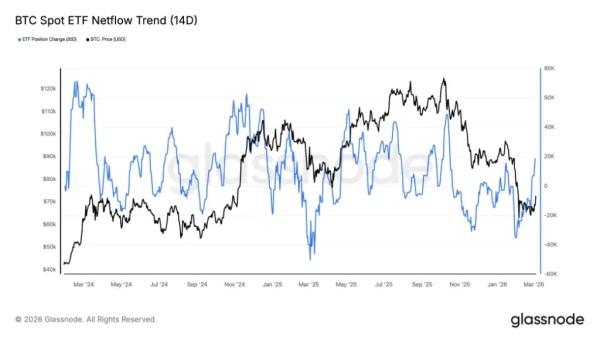
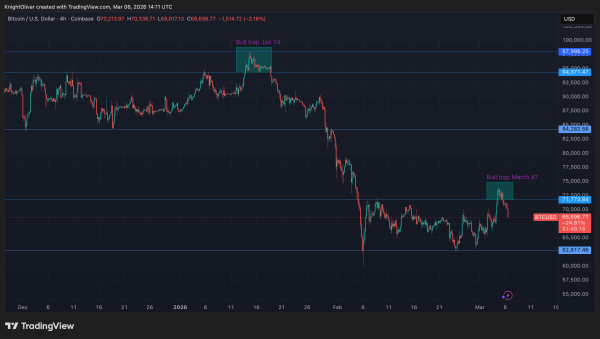
She said that weaker demand likely explains why the price peaked at roughly $126,000 instead of reaching higher levels that some market participants had anticipated. Alden indicated that stronger demand might have supported a larger rally toward price ranges such as $150,000 or $200,000.
Long-Term Holders Continue Selling in Bull Markets
Alongside demand conditions, Alden pointed to the role of early Bitcoin holders, often referred to as “OGs,” who typically sell part of their holdings during bull markets.
Many of these investors accumulated Bitcoin years earlier, sometimes at prices far below current levels. As prices rise, the value of those holdings can increase significantly relative to their overall net worth.
Alden explained that some early holders choose to reduce exposure when Bitcoin grows to represent a large portion of their wealth. In such cases, investors may sell part of their holdings to diversify into assets such as real estate or equities.
She emphasized that this selling pattern is not unique to the current cycle. According to Alden, early holders have sold into rising markets during every major Bitcoin bull run.
Data Shows No Unusual Spike in OG Selling
Despite narratives suggesting that long-term holders have been unusually active sellers, Alden said available data does not support that view.
She referenced on-chain metrics that track how long coins remain inactive, including Bitcoin, which has not moved for extended periods. By that measure, the share of coins that have remained unmoved for five years or more is currently near historical highs.
Alden said this suggests that long-term conviction among many holders remains intact. While individual large holders occasionally move or sell large amounts of Bitcoin, she noted that the broader statistical picture does not show an unusually large transfer of older coins compared with past cycles.
Disclaimer: The information presented in this article is for informational and educational purposes only. The article does not constitute financial advice or advice of any kind. Coin Edition is not responsible for any losses incurred as a result of the utilization of content, products, or services mentioned. Readers are advised to exercise caution before taking any action related to the company.