Strategy CEO Explains Why They Might Sell Bitcoin – “I Believe in Math, Not Ideology”
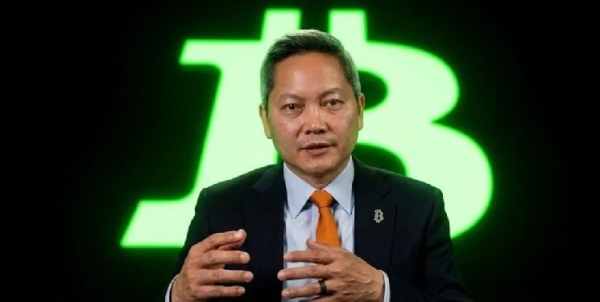
Phong Le, CEO of Strategy, one of the world’s largest institutional Bitcoin holders, announced a significant change in the company’s Bitcoin management strategy. Speaking in an exclusive interview with CNBC, Le stated that they have shifted from a “never sell” approach to an active management model that maximizes shareholder value.
Phong Le stated that the company can now use its Bitcoin assets for liquidity and dividend payments when needed, instead of simply holding them. CEO Le said, “I believe in mathematics rather than ideology. If selling Bitcoin becomes a more profitable option than issuing new shares to pay dividends to our shareholders, we will do it.”
Le argued that the primary goal of this strategy was to increase the “amount of Bitcoin per share” and protect the rights of existing shareholders, adding that the Bitcoin sale would be evaluated specifically based on the relationship between the company’s book value and market price, and on tax advantages (profit/loss balance).
Responding to questions about the company’s preferred stock, “Stretch,” which offers a monthly return of 11.5%, Le reminded them of the company’s annual dividend obligation of $1.5 billion. Stating that they have the capacity to meet 18 months of dividends at current levels, Le reassured investors by saying, “We have approximately $60 billion in Bitcoin reserves to secure these payments.”
Addressing concerns about whether Strategy’s sales, given its massive market position, would affect the Bitcoin price, the CEO made the following statement:
“The Bitcoin market has a daily trading volume of over $60 billion. Our total annual dividend payments, however, are only $1.5 billion. On a daily basis, our transactions account for only a few basis points of the total liquidity. Therefore, we are not manipulating the market price upwards or downwards.”
Related News Major Banks Have Updated Their Forecasts on When the Fed Will Cut Interest Rates
When asked whether the software business, the company’s origin, would be spun off, Le responded, “We have no such plans at the moment.” He noted that the software unit grew 11% in the first quarter, generating $500 million in revenue, and stated that this division was neither an obstacle nor a central asset to the main strategy, but was successfully progressing on its own.
*This is not investment advice.